
Okay, so check this out—while everybody screams about yields and token listings, there’s a quieter war happening under the hood of every on-chain trade. Whoa! Many trades fail or get eaten alive by bad sequencing, frontrunners, or invisible gas races. My instinct said: protect the trade before you hit send. Initially I thought wallets were just key managers, but then realized they need to act like a pre-flight safety checklist—simulate, score, and shield.
Here’s what bugs me about the current UX: people think a wallet is just a dumb relay. Seriously? Trades are complex stateful operations that interact with pending mempools, oracles, and liquidity that can move in a blink. A good wallet should simulate exact execution, flag sandwich risks, estimate slippage under stress, and offer MEV-aware routing or protection options. I’m biased, but that last part—MEV protection—is often the difference between a clean profit and a surprise loss.
Let me tell you why simulation matters first. Think of a complex swap or a token approval followed by a multi-step zap. If any intermediate call reverts, you still might pay gas and get nothing. Hmm… that feeling when you see “Transaction failed” and the gas is gone? Yeah, that’s industry pain. Transaction simulation lets you preview chain state transitions without committing to them, showing whether the swap will succeed, how much gas it will consume, and where the slippage could land if front-end liquidity shifts.
What true transaction simulation gives you
Simulation is more than a dry yes/no. It produces a model of outcomes, and that helps us reason about risk. For instance, it can show you the exact output you’d receive at current on-chain state, the exact gas usage, and whether an oracle check would trigger. Short story: simulation reduces surprise. Also—fun fact—it surfaces reentrancy or approval hazards before you sign. On one hand that seems technical; on the other hand, if you lost 10% to a failed zap, you’d care a lot.
Initially I thought “simulate = wasteful” because it adds latency. Actually, wait—let me rephrase that. Simulation costs negligible RPC calls compared to the value preserved by avoiding failed txs. Long-term, it saves time and ETH. On another note, simulation helps workflows where composition matters: DeFi composability is powerful, though actually fragile under network congestion and MEV pressure.
Risk assessment: not just a number
Risk scoring needs nuance. A single percentage doesn’t cut it. Good risk assessments break down risk vectors: reversion risk, slippage sensitivity, sandwich vulnerability, oracle-dependency, and counterparty exposure. I once saw a routine token swap flagged as “high risk” because the token had a tiny liquidity pool and a transfer tax—things that a simple UI wouldn’t mention. My first thought was paranoia, but then the simulation replayed the trade and showed a 30% slip if someone outbid you in the mempool.
On a practical level, a wallet should surface those vectors before you sign. Provide suggested mitigation: split the order, increase slippage tolerance knowingly, use limit orders, or route through safer pools. And if you want to be extra careful, you should be able to opt into MEV-aware routes that prioritize execution integrity over minimal fee—because sometimes paying a little more in gas avoids a much bigger loss. There’s a tradeoff there, and users deserve clarity about it.
Hmm… this is where user psychology matters. People skim confirmations, hit buttons, and then wonder what happened. We need to make the invisible visible. Show them simulation diffs, show mempool snapshots, say: “If you send this now, here’s the likeliest outcome.” That transforms random luck into managed risk.
MEV protection: the underrated shield
MEV (maximal extractable value) is often framed as a miner problem, but it’s also a user problem. Sandwich attacks, backrunning, and flash loan manipulations are ways MEV extractors can drain value from retail trades. Whoa! It can happen fast. I watched as a modest swap lost 12% to a sandwich in under 30 seconds. That stung.
Protection can take many shapes: private relays that hide transactions from the public mempool, bundling with fair ordering services, using flashbots-style integrated routing, or simply reordering and splitting transactions to reduce attack surface. Not all protections are free. Sometimes you accept slightly higher fees or a small delay. But compare that to losing capital—tradeoffs are clear.
Okay, so check this out—wallets that simulate and then route through MEV-aware pipelines give users a real choice: speed and potential exposure, or slightly higher friction for safer execution. The smart move depends on strategy. For arbitrageurs, speed rules. For most users, long-term capital preservation matters more. I’m not 100% sure where the market will standardize, but pockets of best practices are forming.
Design principles for wallets that actually help
Here’s a short checklist from my experience and a few painful mistakes: simulate every complex tx; break down risk into digestible, action-oriented signals; offer MEV-aware routing as an opt-in; show mempool context and probable outcomes; and make limit and conditional orders first-class citizens in the UX. Also—very very important—never hide the mitigation costs. If protection costs gas, say it clearly.
One more thing: make advanced options accessible without overwhelming beginners. Use sensible defaults, but allow power users to dive deep. Offer a “quick simulate” mode and an “inspect everything” mode. People appreciate control. (Oh, and by the way… provide a clear “why this is risky” paragraph next to any flagged trade.)
For builders: instrument telemetry so you can learn which simulations predict failures and which don’t. That feedback loop improves the heuristics and helps reduce false positives, which otherwise make users ignore warnings. On one hand you want safety alerts; on the other hand, too many false alarms lead to warning fatigue. Balance is key.
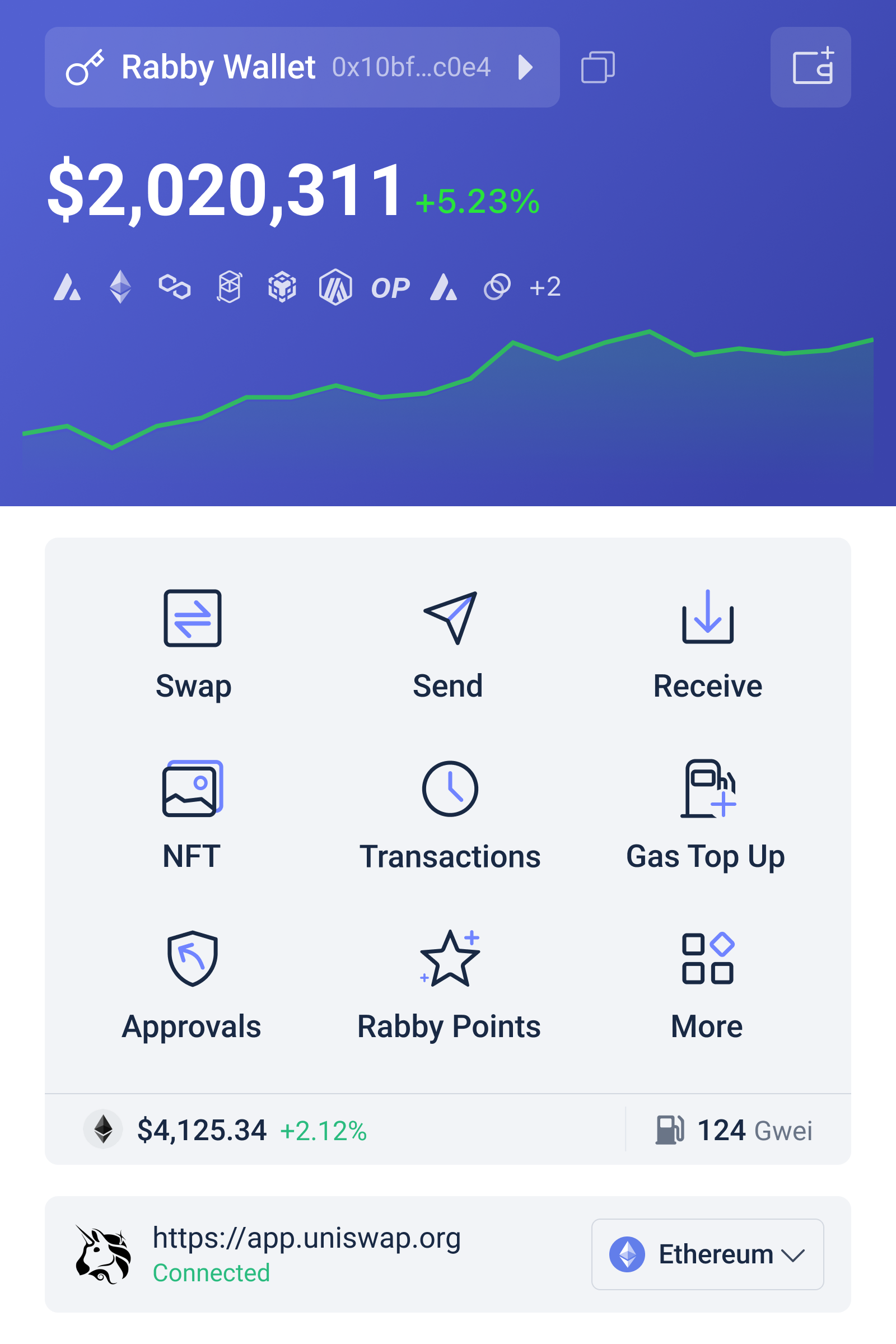
I’m biased toward wallets that take these things seriously. If you want an example of a wallet that emphasizes pre-execution checks, transaction simulation, and user-friendly risk signals, check out rabby wallet. They lean into simulation and make MEV-conscious choices easier without forcing complex decisions on newcomers.
FAQ
What exactly does transaction simulation tell me?
It shows predicted outcomes: whether the tx will succeed, expected output amounts, gas usage, and potential reverts or slippage under current on-chain state. It can also reveal oracle checks and intermediate call behavior.
Can simulation prevent all losses?
No. It reduces surprise but can’t predict future state changes caused by other pending transactions. It helps you understand immediate execution risk, though risks due to delayed or later market moves remain.
Is MEV protection worth the extra cost?
Often yes for retail trades. Paying a bit more in fees or waiting a moment can prevent much larger losses from sandwiching or backrunning. For ultra-low-margin ops, the calculus differs.